 Laundry
How Dirty Curtains Affect Indoor Air Quality in London Homes
Touch of Class Dry Cleaners 27 Jan 2026
How Dirty Curtains Affect Indoor Air Quality in London Homes
When was the last time you checked your curtains properly? They may appear clean from a distance, but in busy London homes, curtains quietly trap dust, pollution, and allergens every day. Because they are rarely cleaned as often as carpets or upholstery, curtains slowly build up harmful particles that affect the air you breathe indoors.
Many people focus on outdoor pollution, especially in London, but indoor air quality can be just as important. Dirty curtains are often a hidden cause of stale air and ongoing health discomfort.
Hidden Dust Traps in Every Room
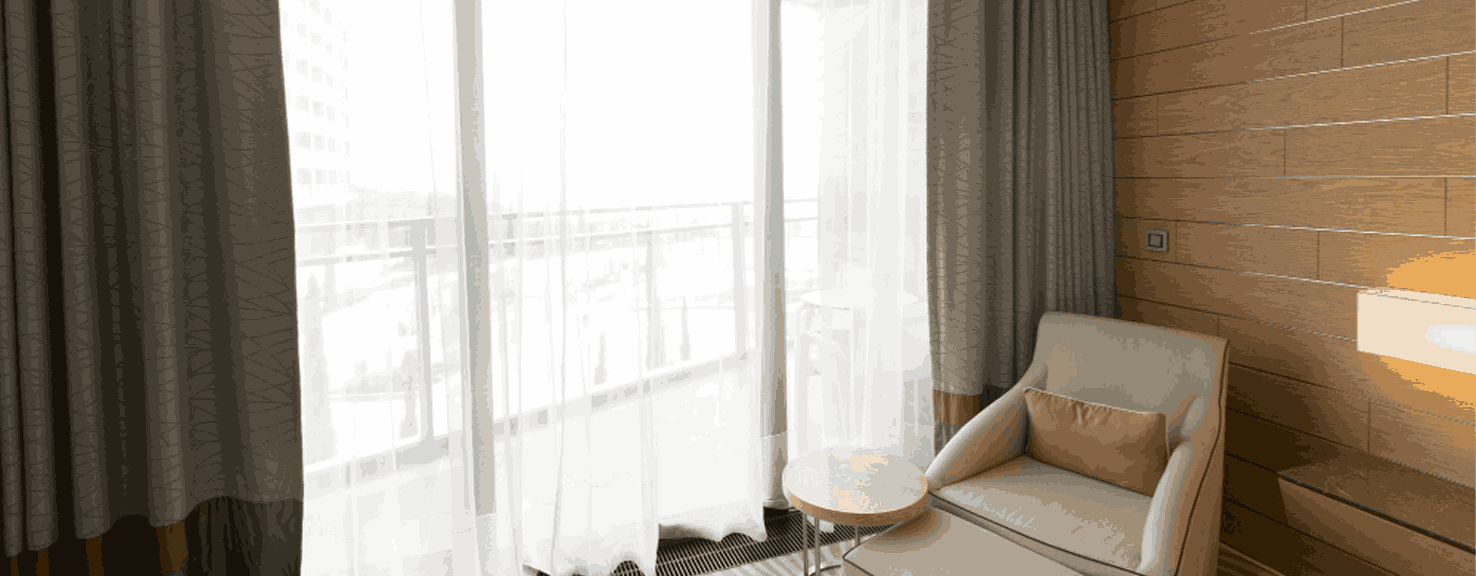
Curtains act like large fabric air filters. Positioned next to windows and doors, they absorb particles brought in from outside and inside the home. Over time, they collect:
Road dust from constant traffic
Pollution entering through open windows
Pollen during spring and summer
Pet hair and skin flakes
Cooking odours and smoke
Each time you open or close the curtains, walk past them, or let fresh air in, these particles are released back into the room. You may not notice them, but repeated exposure can make the air feel heavy and uncomfortable.
What Is Really Inside Your Curtains
Dirty curtains often hold more than visible dust. Deep within the fabric, they can contain:
Dust mites, which are a major allergy trigger
Mould spores, especially in damp or poorly ventilated rooms
Pollen that stays trapped long after allergy season
Bacteria that cause lingering smells
That musty scent when you close the curtains at night is usually a warning sign. It often means moisture and bacteria have settled into the fibres. Bedrooms, kitchens, and living rooms are especially at risk, particularly in homes with limited airflow.
Health Problems You Should Not Ignore
Poor indoor air quality can lead to a range of symptoms that are easy to dismiss. Common issues linked to dirty curtains include:
Sneezing and itchy eyes
Blocked or runny nose
Asthma flare-ups
Headaches and constant tiredness
Breathing problems in children and elderly people
Many homeowners blame outdoor pollution or seasonal allergies, not realising the source may be inside their own home. Curtains sit close to where fresh air enters, making them one of the first places pollutants settle.
Why Professional Cleaning Matters
Regular vacuuming helps remove surface dust, but it does not reach deep into the fabric. Allergens, bacteria, and mould spores cling tightly to fibres and require proper treatment.
A professional curtain cleaning service removes deep dirt safely, refreshes the fabric, and helps improve indoor air quality. It also reduces the risk of shrinkage or colour damage that can happen with home washing. For households dealing with allergies or persistent odours, this step can make a noticeable difference.
London Homes Need Extra Care
Living in London brings added challenges. Heavy traffic, higher pollution levels, older buildings, and limited ventilation all contribute to curtains getting dirty faster. Flats near main roads, homes with pets, and properties with single glazing are especially affected.
Because of these conditions, regular curtain cleaning is not just about appearance. It helps maintain a healthier living space and reduces indoor pollutants.
Small Changes That Make a Big Difference
Cleaning your curtains every six to twelve months can greatly improve indoor air quality and help fabrics last longer. Fresh curtains allow air to circulate better and make rooms feel lighter and more comfortable.
If your home feels stuffy, allergies keep returning, or dust seems impossible to control, your curtains may be part of the problem. Taking care of them is a simple change that can deliver long-term benefits.
For those planning ahead, you can review costs and options on the pricing page before booking.